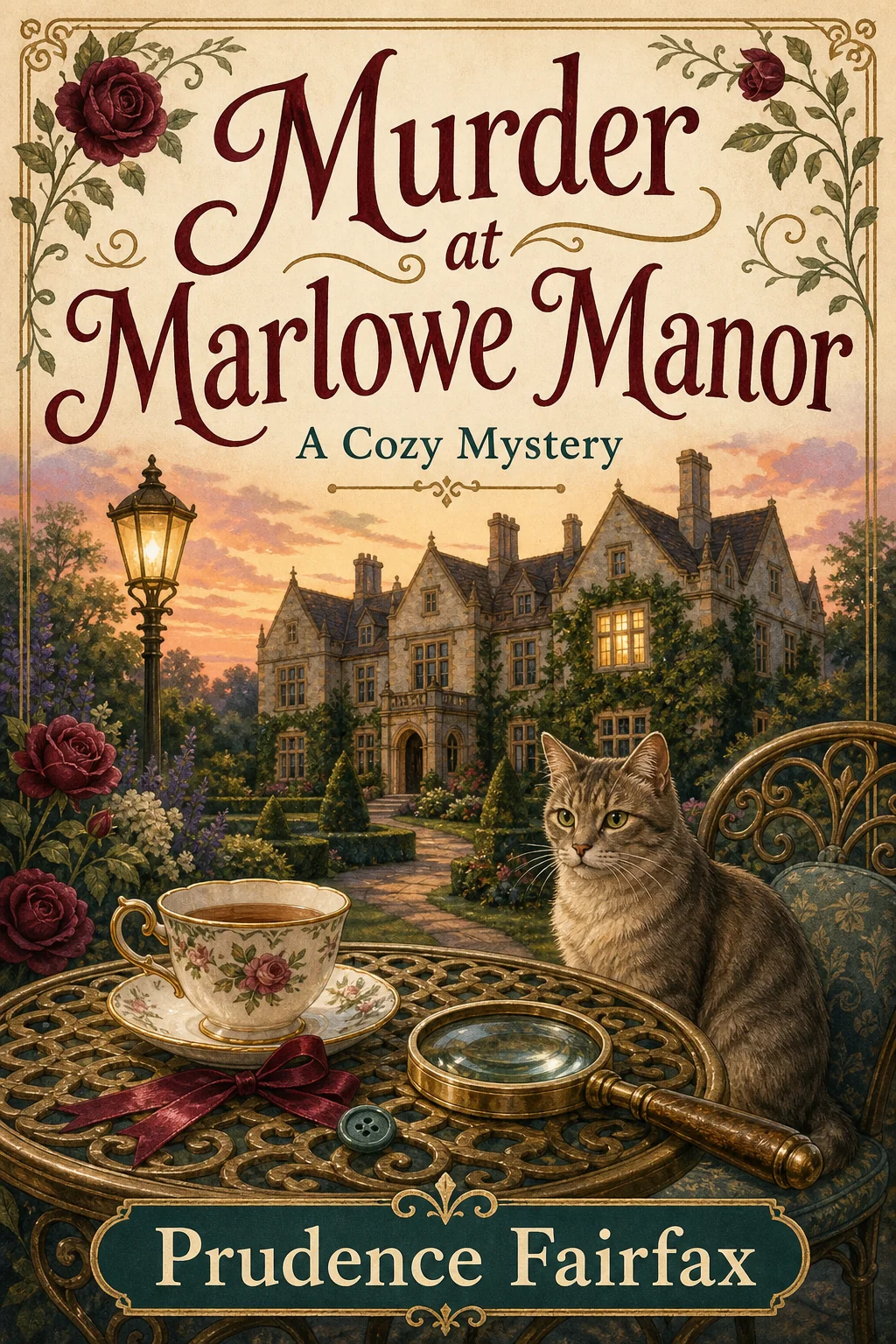
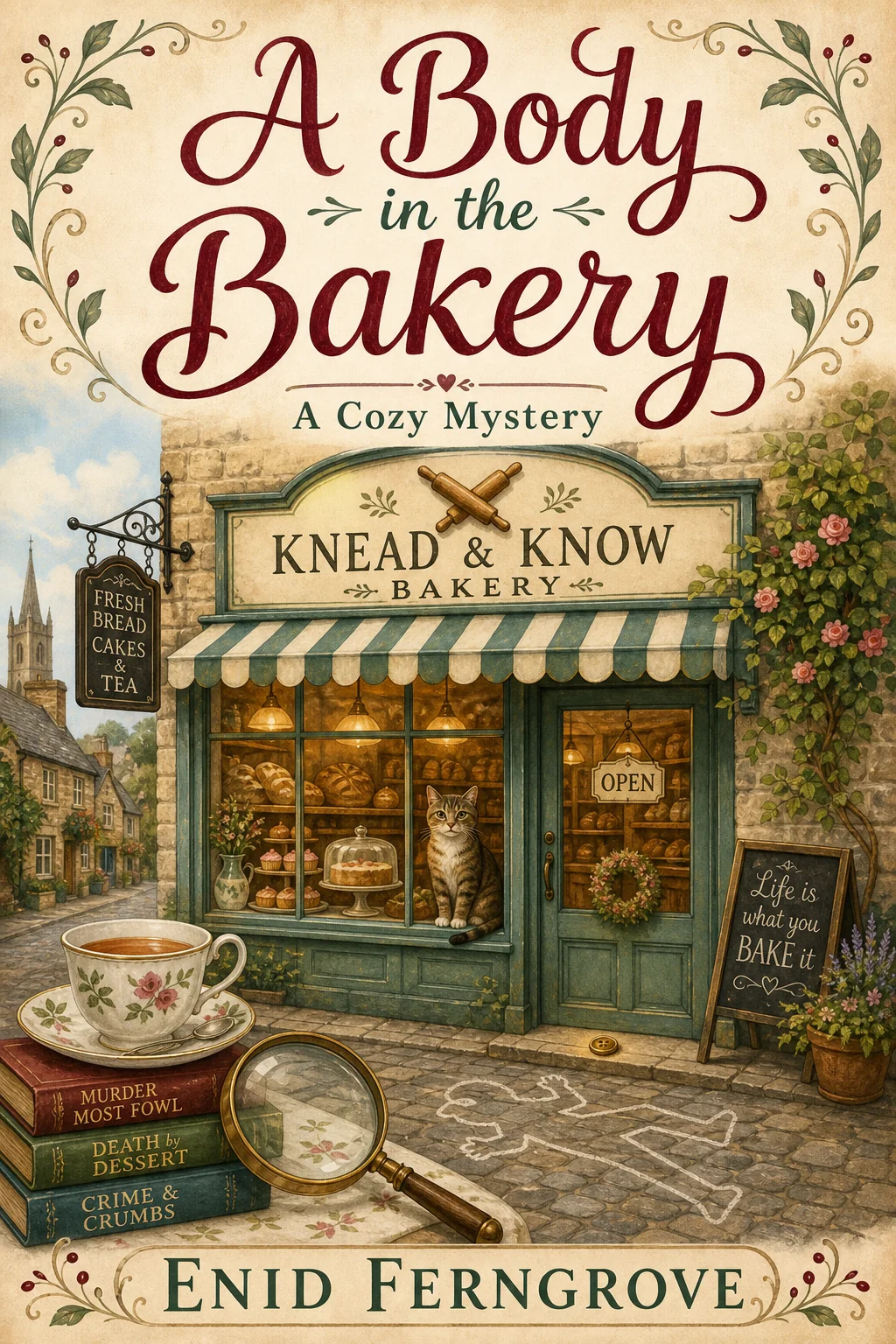
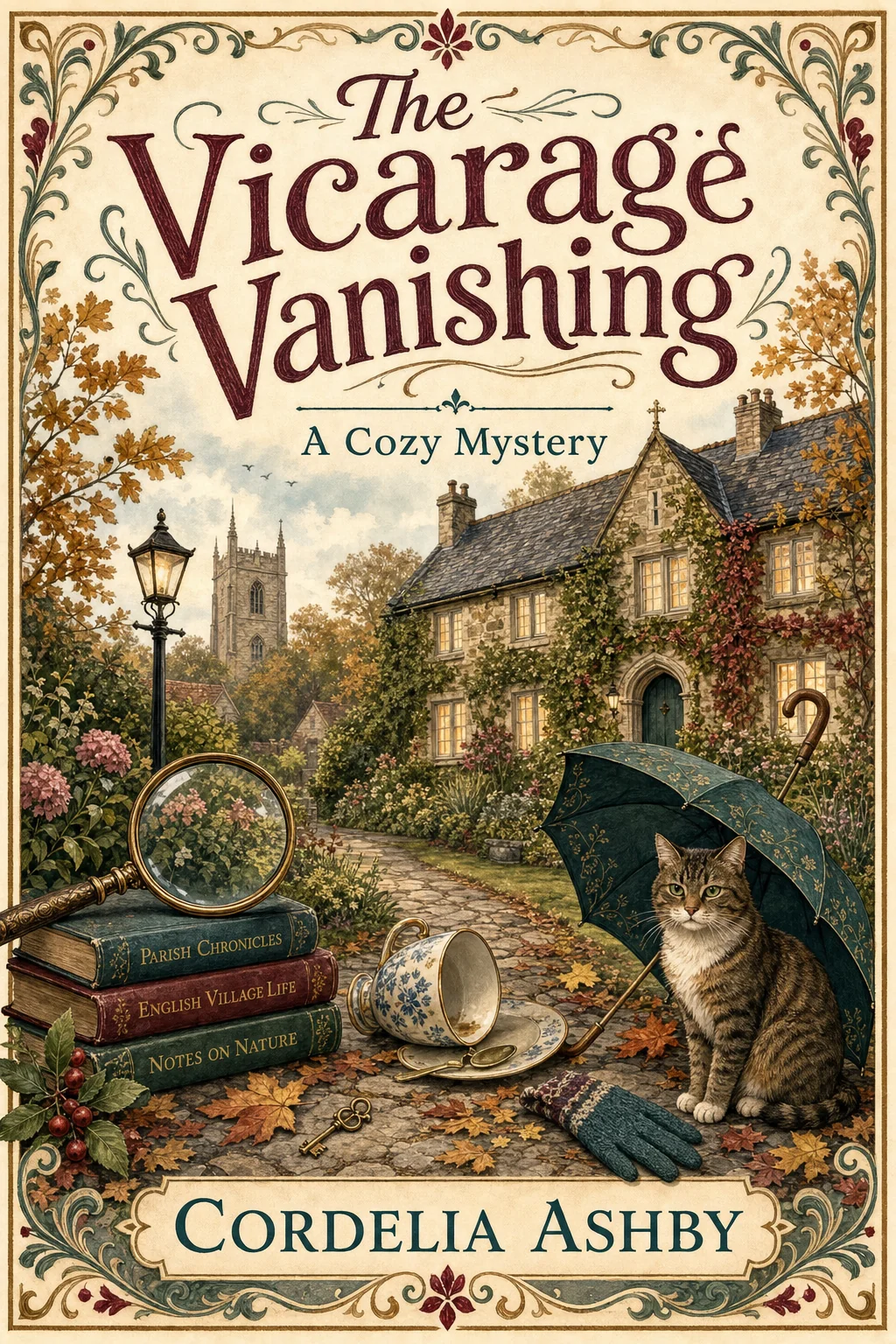
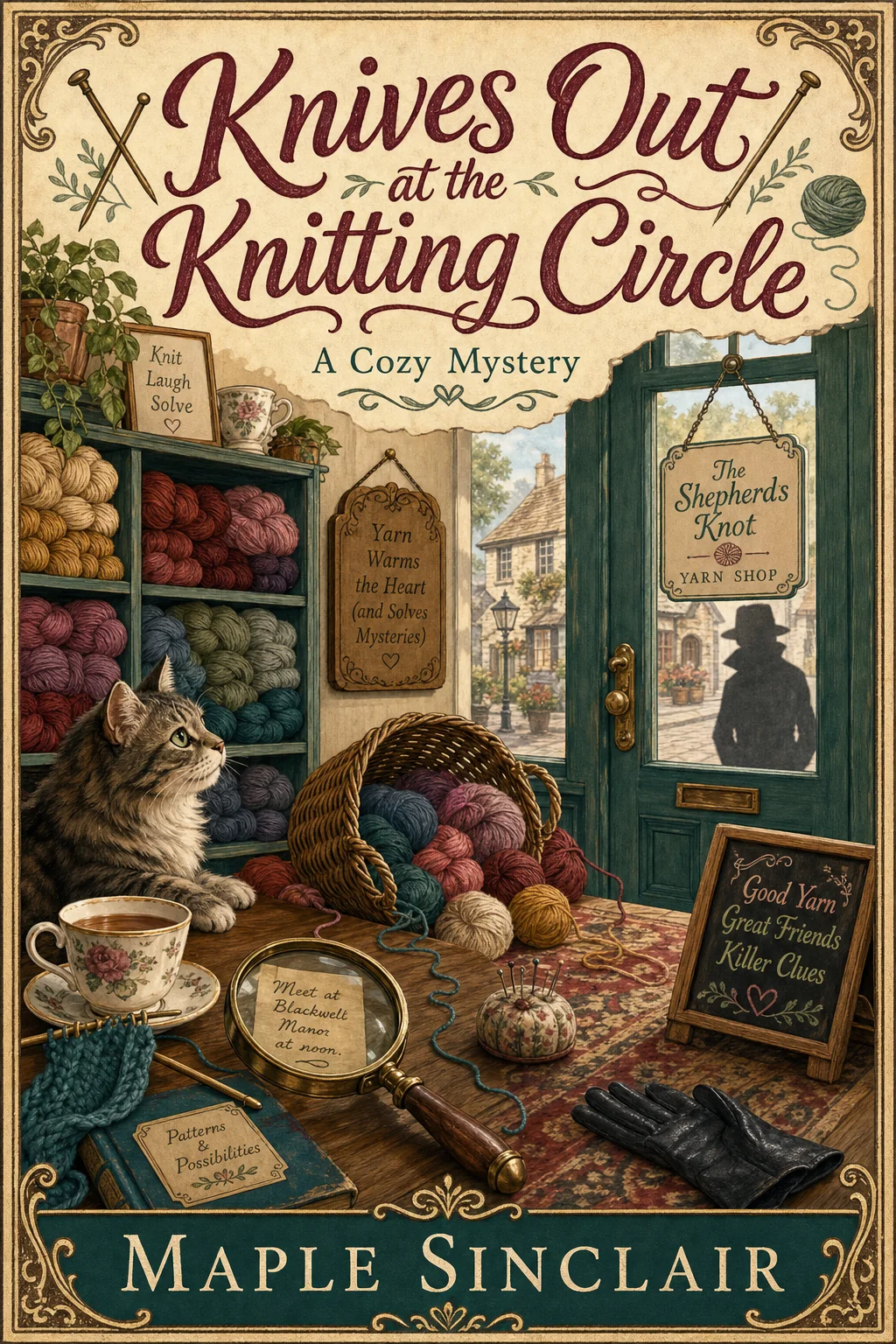
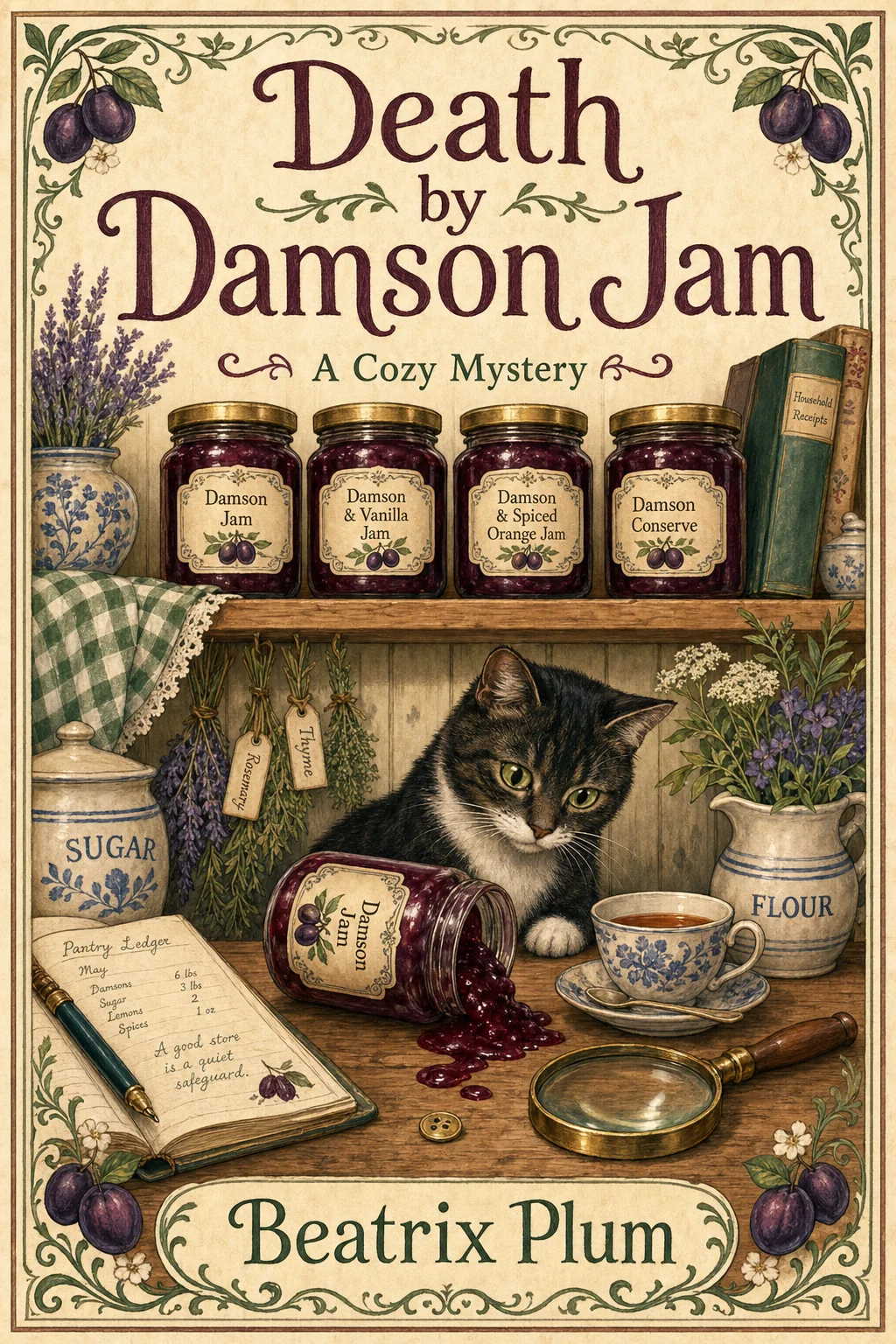
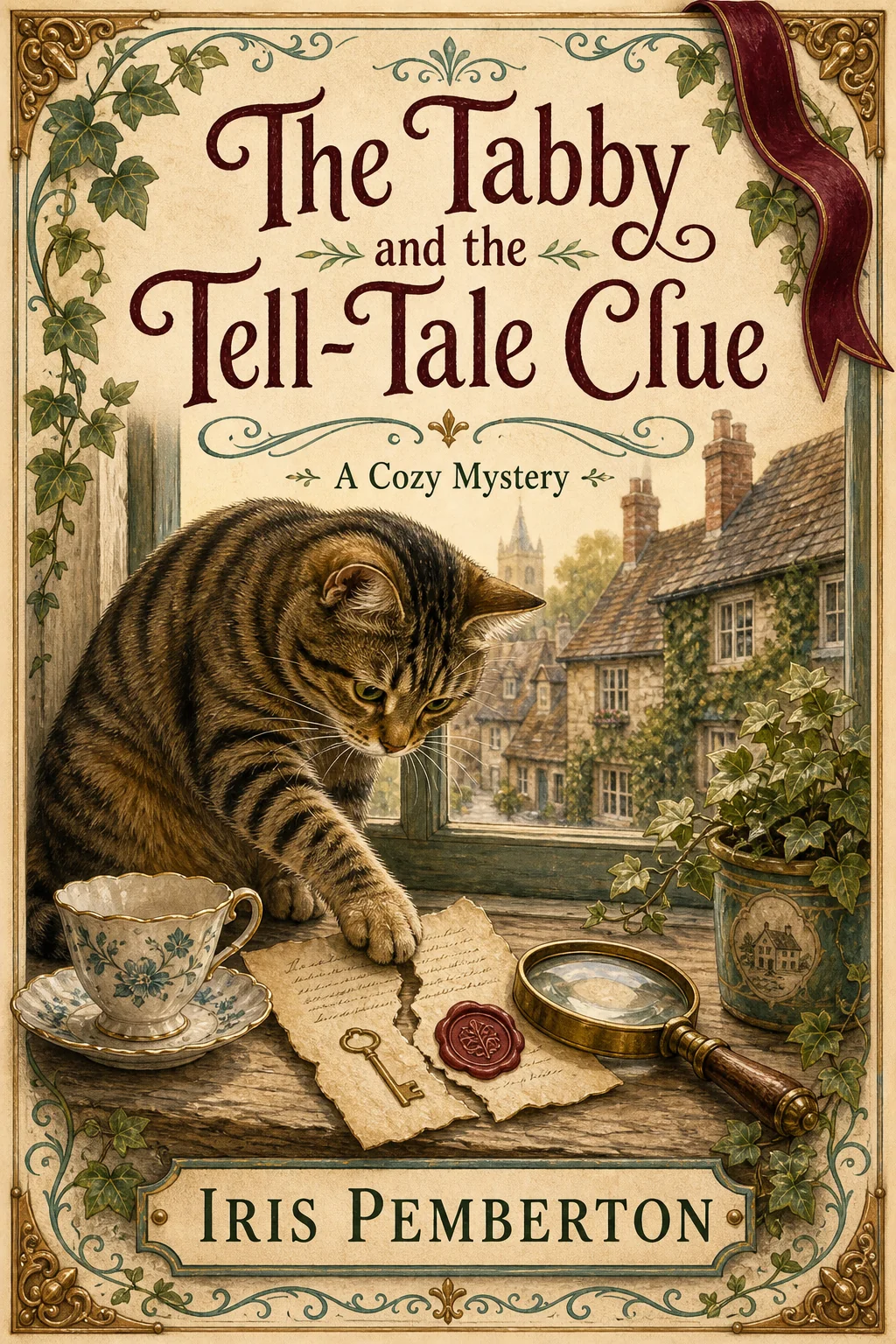
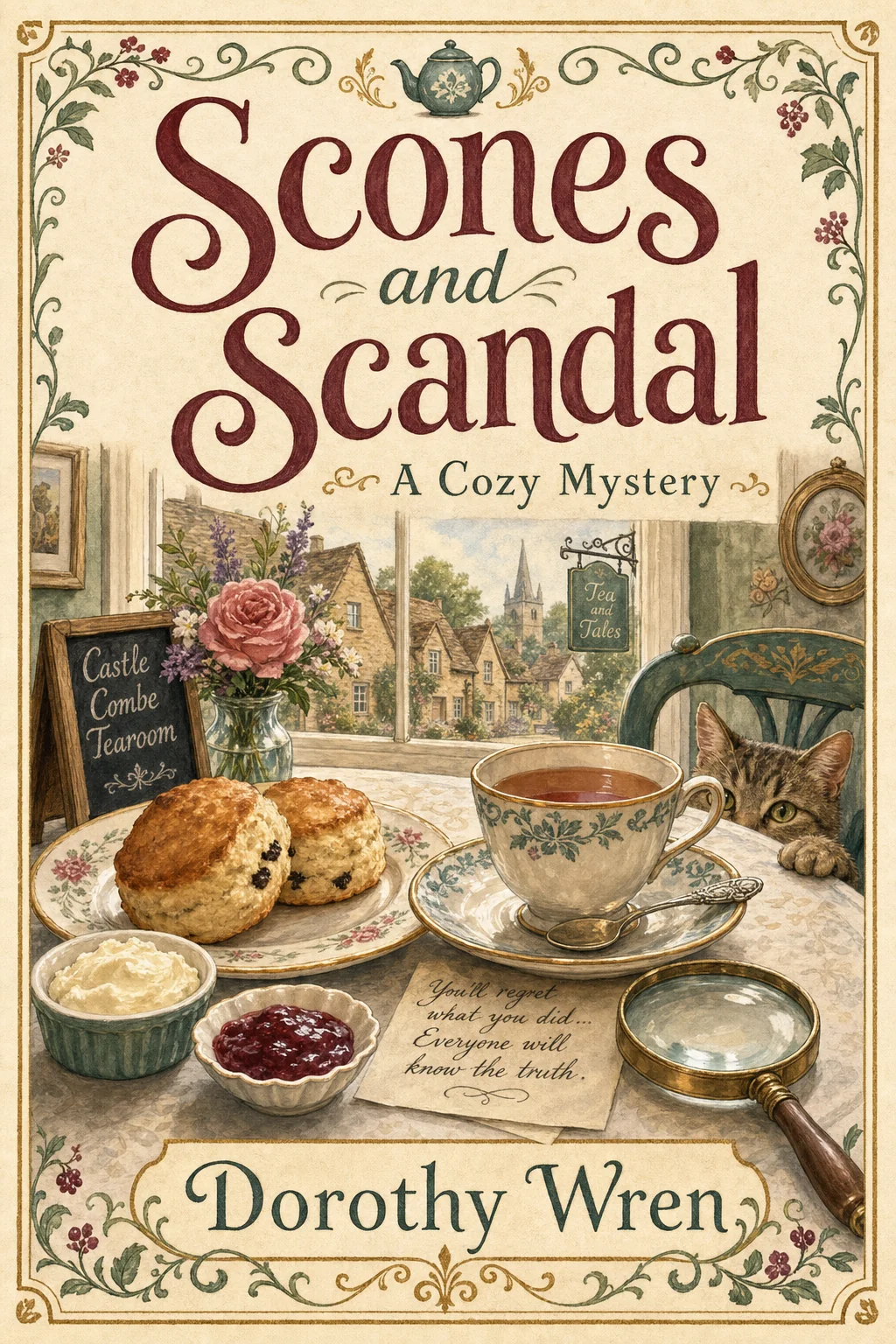
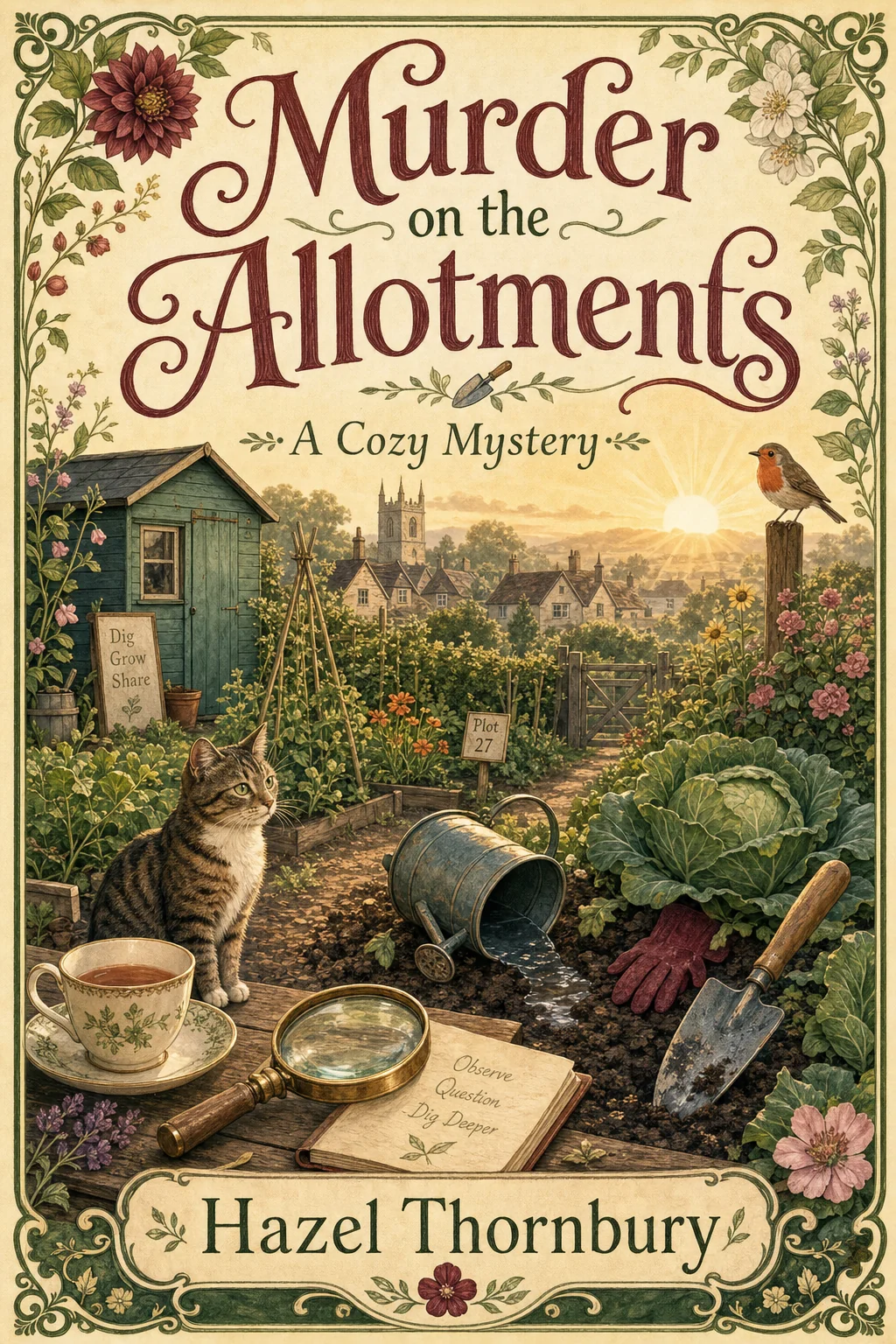
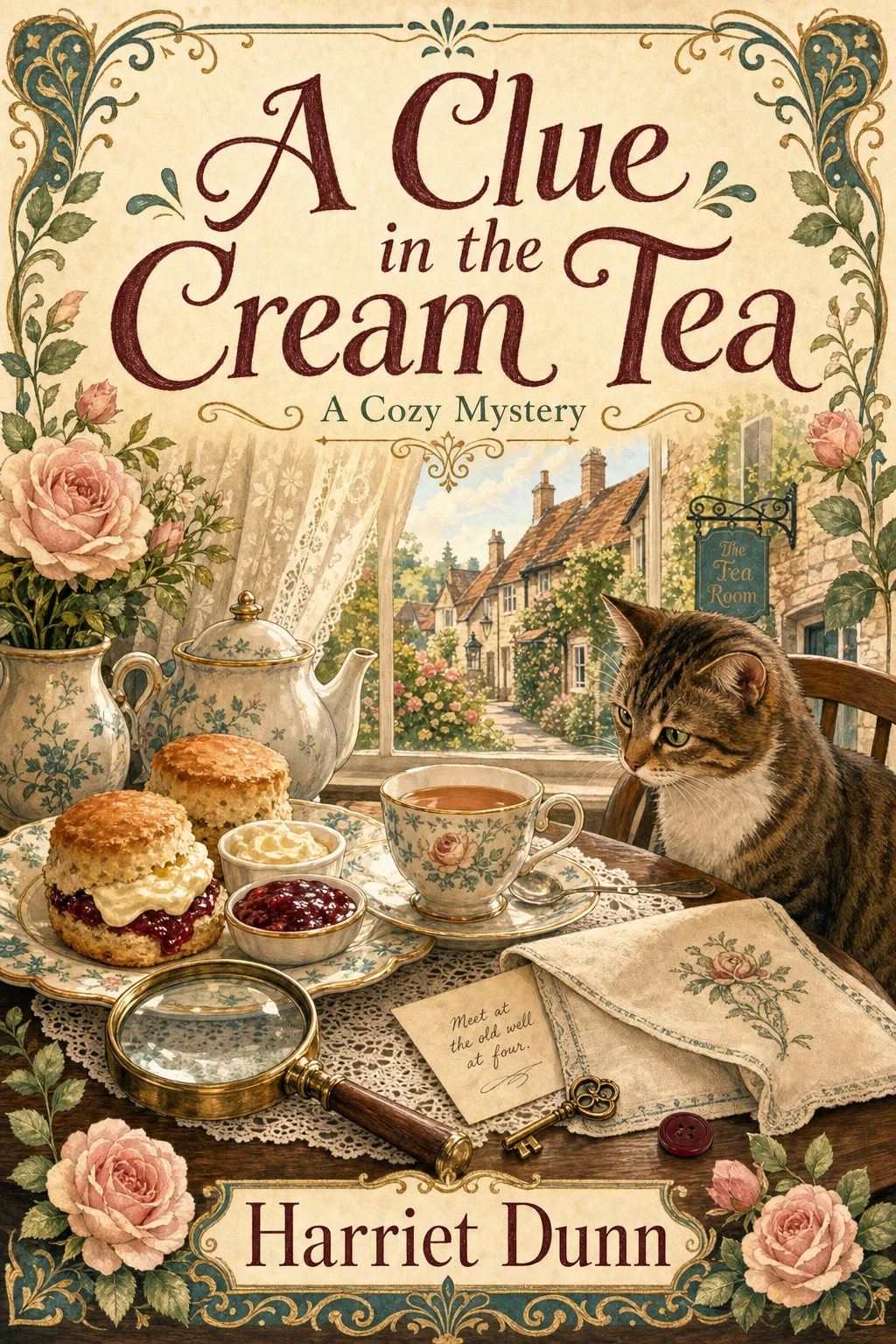
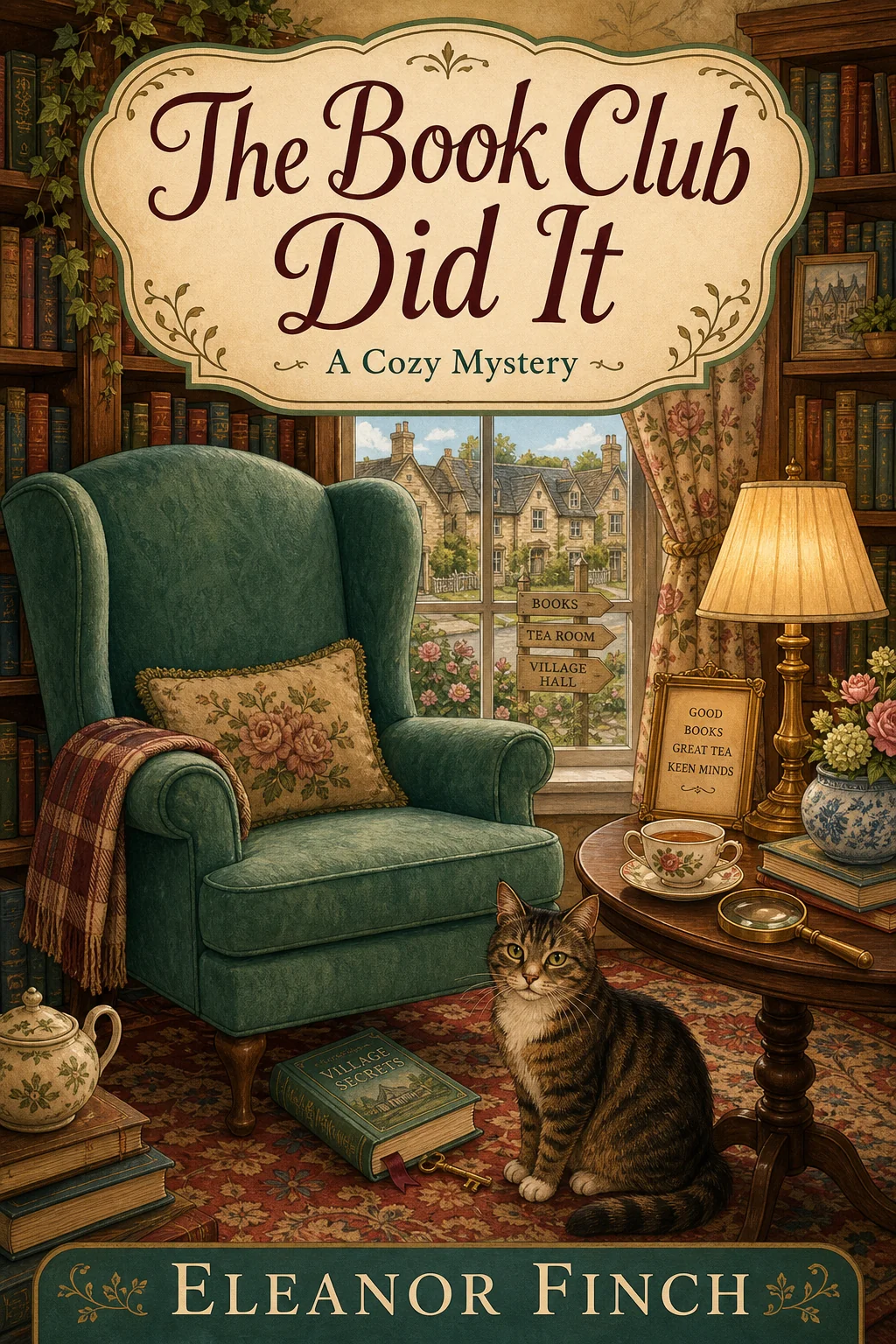
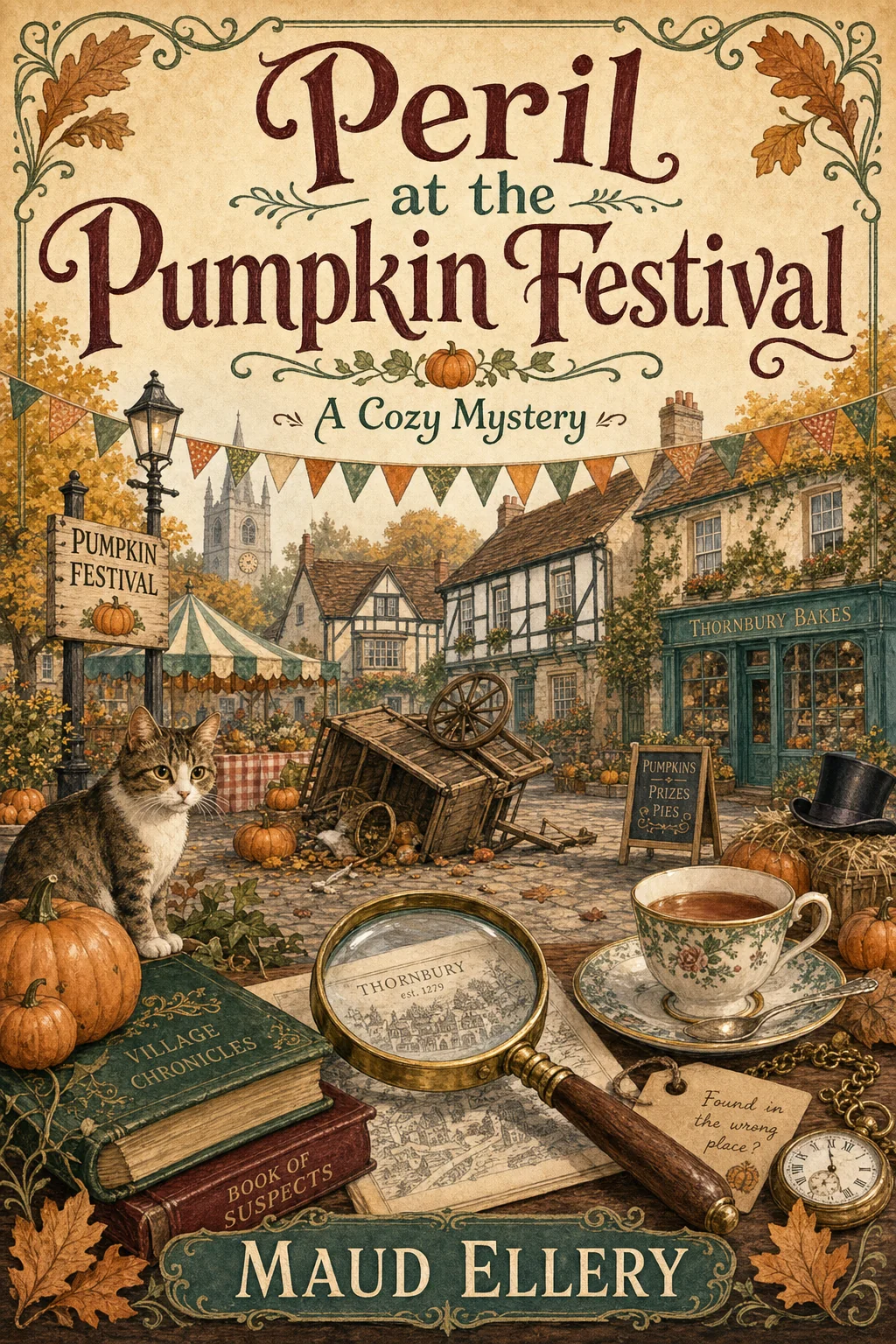
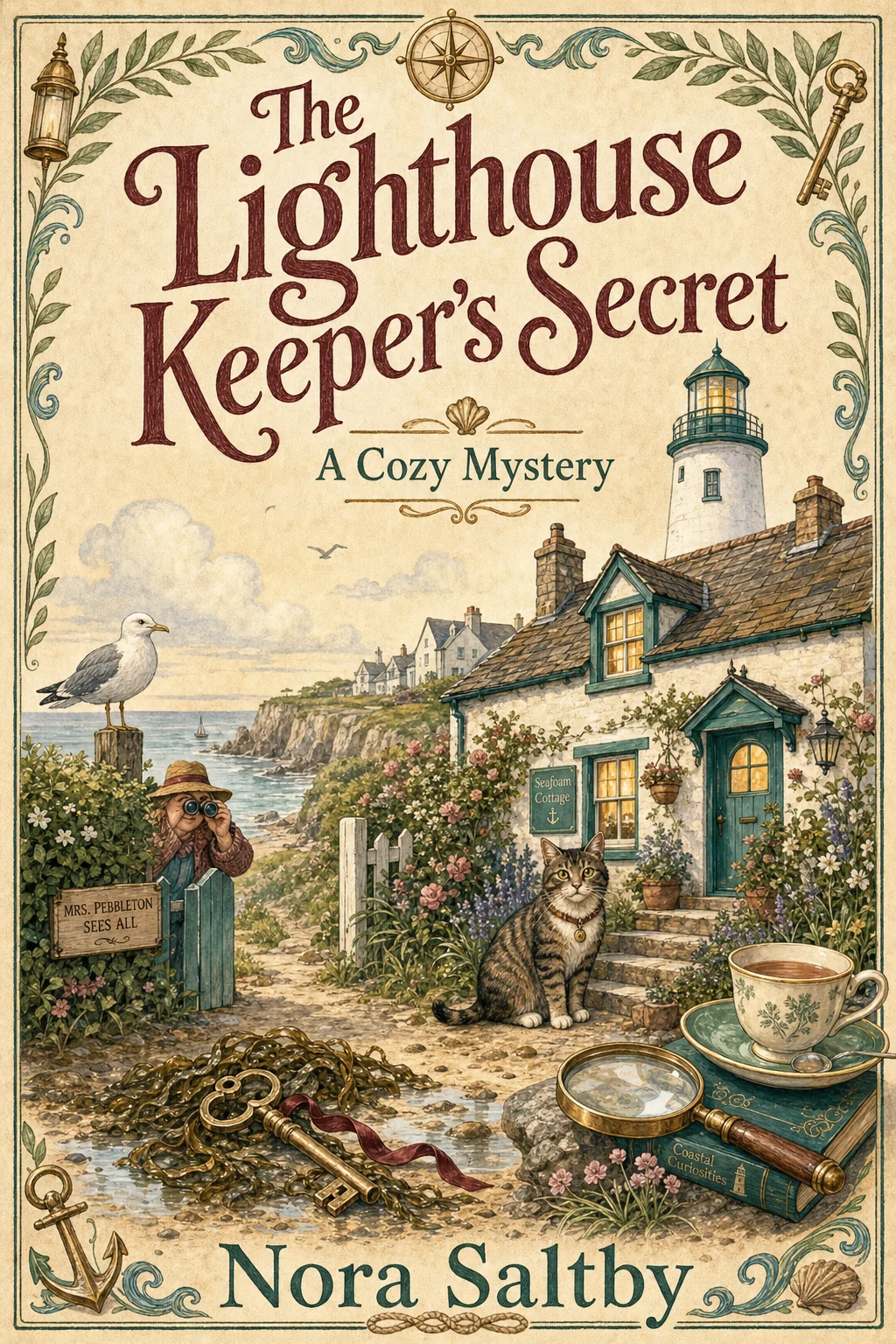
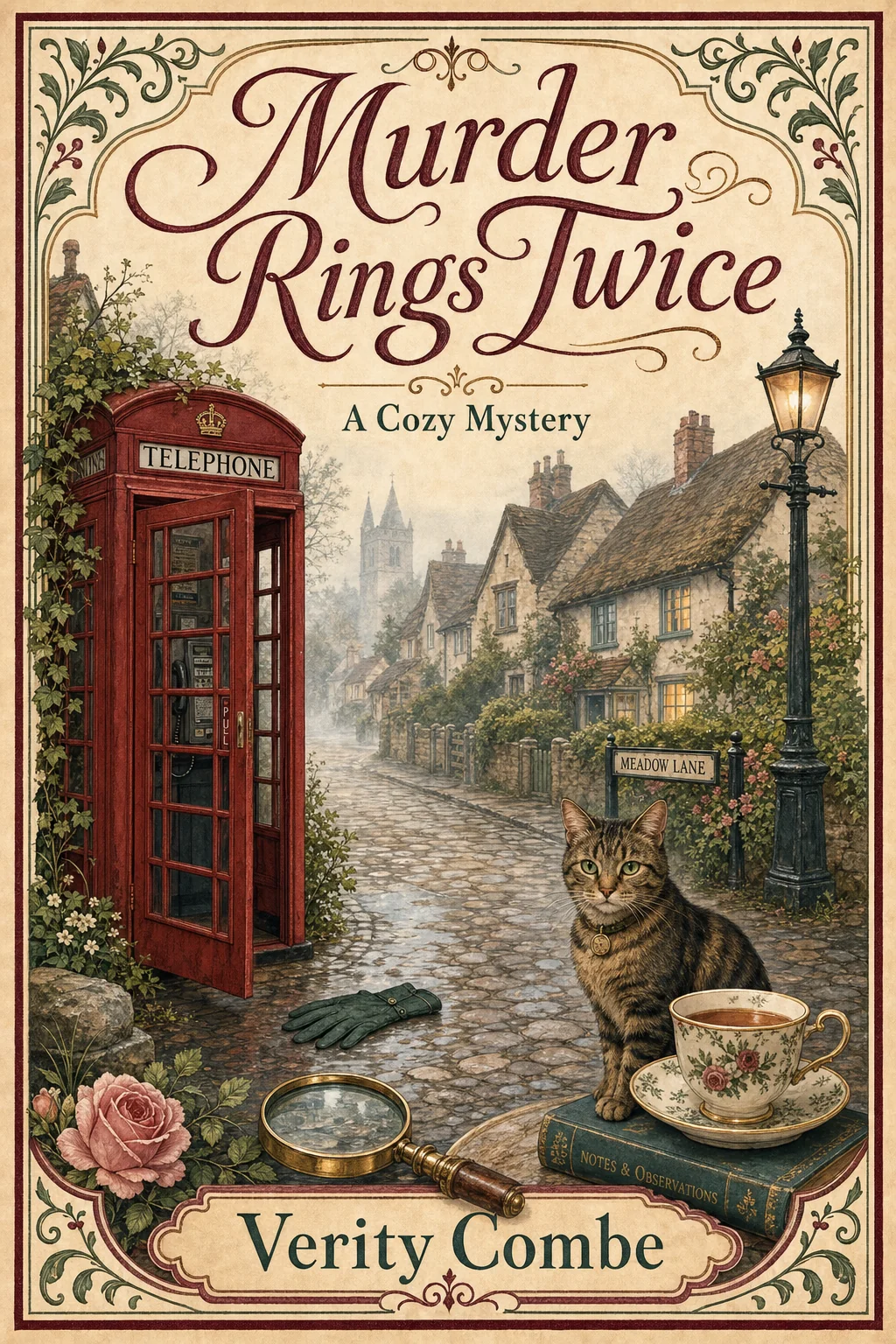
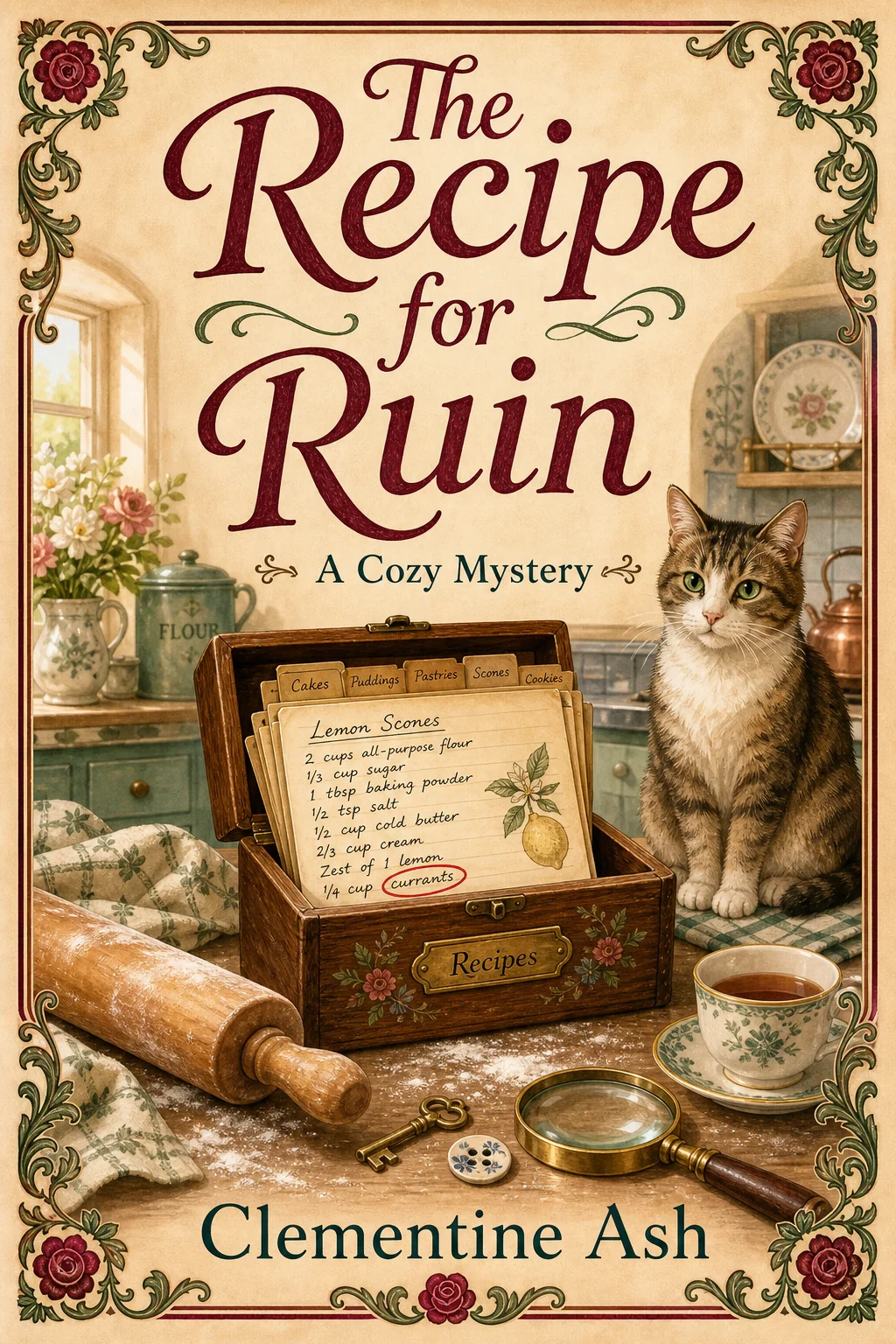
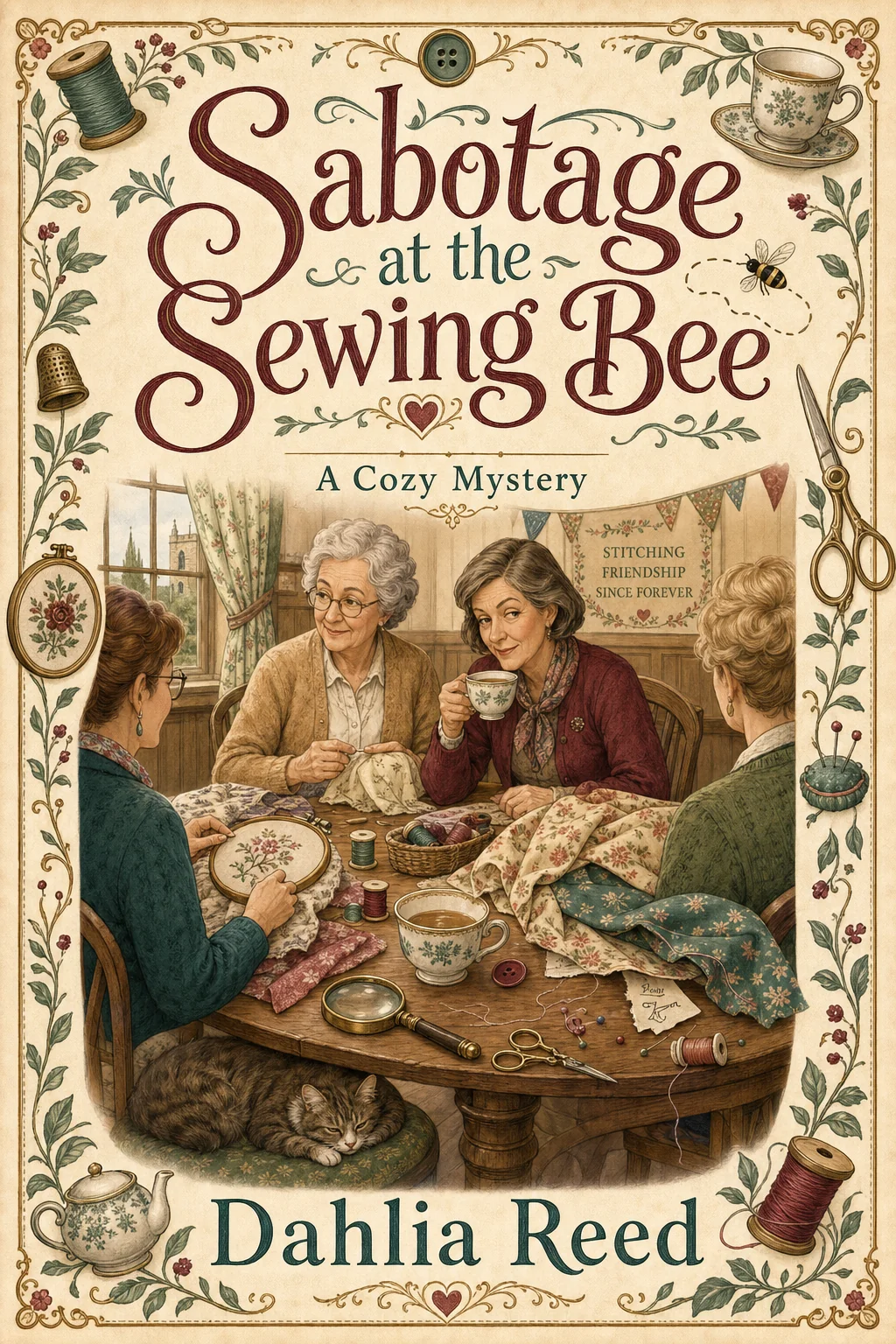
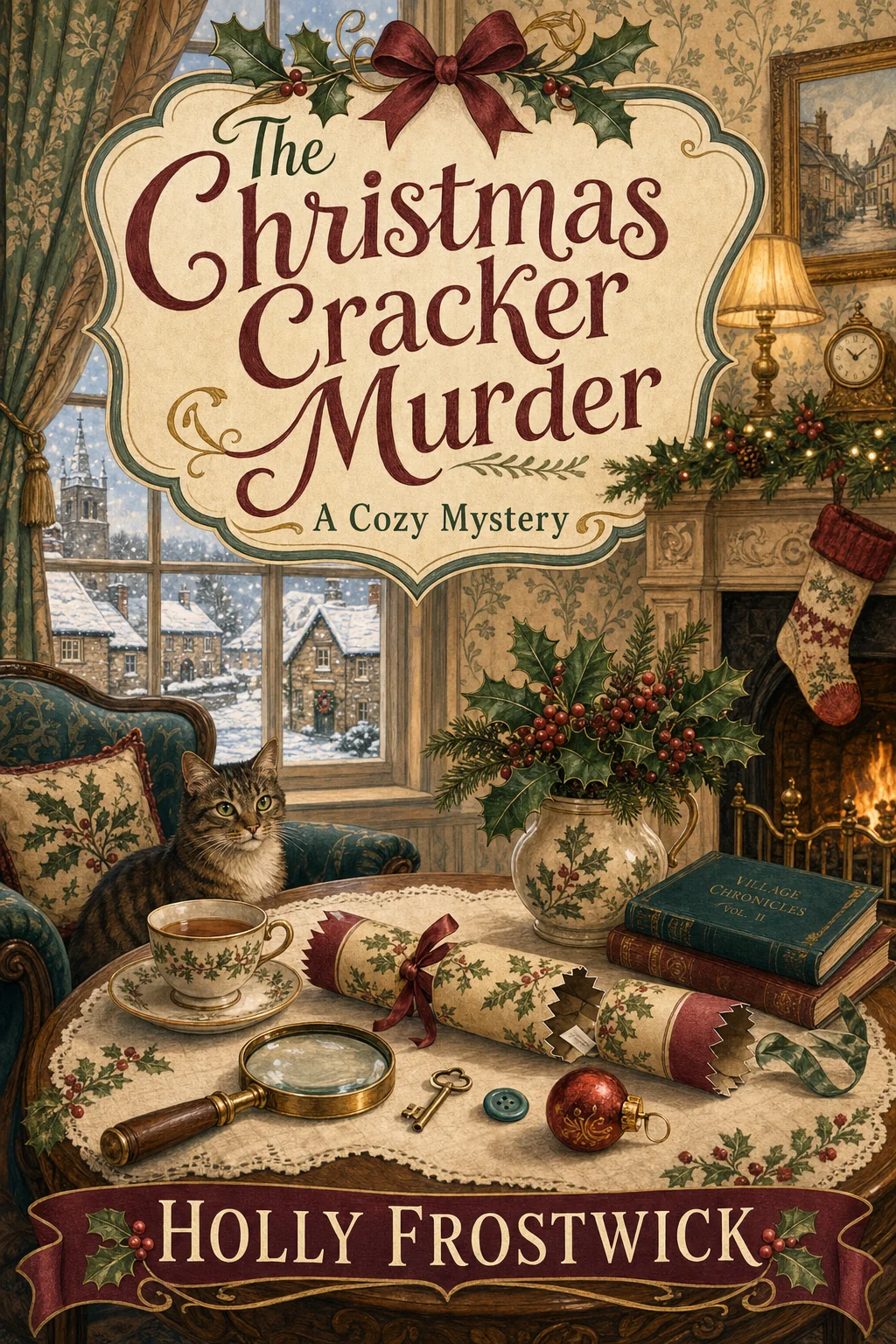
For anyone who's watched AI publishing take off and thought: “I could sell books on Amazon — if I could just get a book worth selling.”
Publish Into Amazon’s Most Loyal Fiction Shelf.
A complete cozy mystery with every clue on the page and an ending that adds up — even if you’ve never read one.
Written end to end in this engine: Calder Bay, a police procedural.
Watch: how the engine solves the murder before it writes a word.
Cozy Mystery Novel Maker turns one idea into a complete cozy mystery novel — the puzzle fairly clued, the timeline checked, the charm the shelf expects — written by an engine that knows the genre's rules so you don't have to. No AI slop. No ghostwriter. You stay the author, and the manuscript is yours.
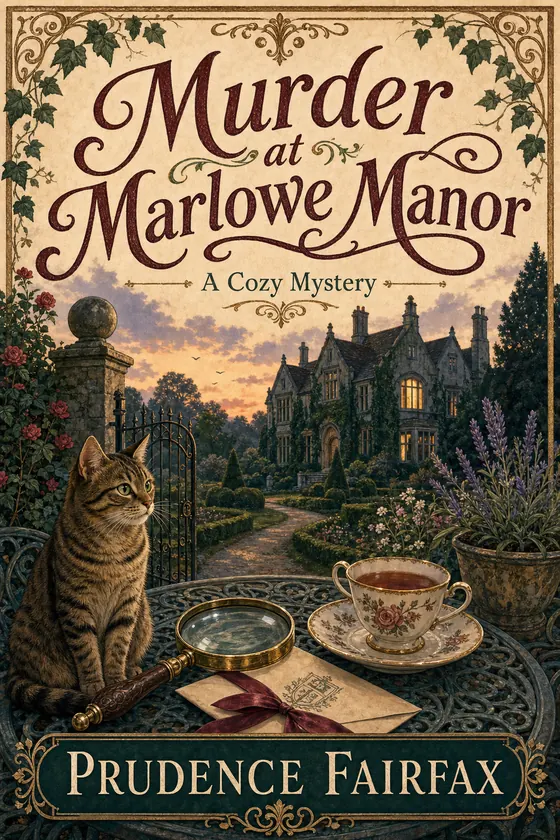
Proof, not promises: the engine has already written Calder Bay — a full 82,578-word fair-play whodunit — zero fair-play violations, every clue planted before it paid off. The receipts are below.
$27 is guaranteed through Monday only.
🖥️ Cozy Mystery Novel Maker is software — a real app in your browser. No prompts to paste. No templates to fill in. Nothing to install. You log in, and the app does the work.
The shelf sells every day. The bar is what stops people.
Cozy mystery is one of fiction's most loyal, highest-volume readerships. These readers don't buy one book — they binge the shelf, series after series, author after author. You've seen the opportunity; that's why you're here. And you don't have to be one of those readers to publish for them.
What stops people isn't the market. It's that fiction has a real quality bar, and three judges enforce it — none of them you. Amazon, with content-quality rules and an AI declaration it expects answered. Reviewers — one “this was obviously AI” review sits on a listing forever. And the reader at the last page, deciding whether your book two gets bought. A novel that doesn't hold together doesn't just flop. It marks your author name.
That's not a talent problem. It's a quality-control problem — and quality control is exactly what machines are for.
The moment you hear “AI,” you picture a whodunit that cheats — a killer pulled from nowhere, clues that don't add up, a reveal that breaks the contract with the reader.
And a mystery that isn't fair isn't a mystery — it's a betrayal, and cozy readers are the most cheat-sensitive buyers on Amazon. They review accordingly. And maybe you've lived it: you tried a chatbot, and the village charmed for a chapter — then the baker's name changed, the clue you planted vanished, and the reveal came out of nowhere. That wasn't you failing; that was a tool with no memory of your puzzle. So here's what this is not: a one-prompt chatbot guessing at a plot with no idea who did it or why.
It's a step-by-step engine that builds the case backward from the solution and checks that every clue is planted before it pays off. And it's software doing this — an app with real screens and real checks — not a stack of prompts with a clever name. That's what Cozy Mystery Novel Maker runs. Here's how.
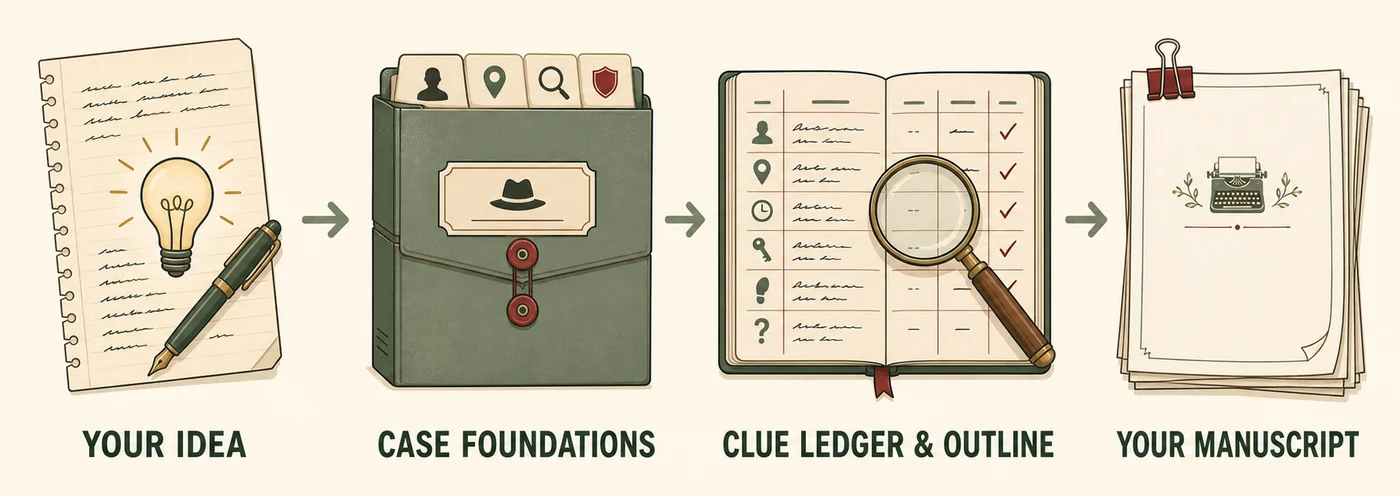
Cozy Mystery Novel Maker is an application — you log in, and it walks you through building your novel screen by screen, powered by The Story Engine. The opposite of a one-prompt chatbot, and the opposite of a prompt pack: there is nothing to paste anywhere. Here's the path it runs:
It walks the path a working mystery author walks, and hands you the wheel at every turn:
-
1
Your idea → the case, built on named screens. Tell it your premise in plain words. Case Foundations lays down your village, your victim, and your sleuth. The Suspect Builder gives every suspect means, motive, and opportunity. The Timeline Engine holds the chronology so nothing drifts. Real screens in a real app — the foundation that keeps a cozy consistent and charming instead of generic.
-
2
The Clue Ledger & Outline — built solution-first. It decides who did it — means, motive, opportunity — before chapter one, then lays every clue and red herring on the ledger. You set the dials for your book: the gore low, the menace at safe-and-procedural — the panel's own words — the puzzle tight, fair play high. Nothing gory. Everything fair.
-
3
Full chapters, fair-play intact. It drafts complete chapters and tracks the clue ledger so the mystery holds together — then runs a fair-play pass that confirms every real clue appears before the reveal, plus no-slop checks for flat prose and contradictions. You read, keep, cut, and rewrite until every scene sounds like you.
-
4
A finished manuscript — then onto Amazon. You walk away with your complete cozy-mystery novel — every word of the manuscript yours to download and keep — and when you are ready, Amazon’s KDP is free to publish on: your book, your name (or pen name), your royalties.
And the rhythm stays the author's: it writes one chapter, then stops until you say go — every chapter checked (clues, timeline, tone) before you see it. A pasted prompt asks. This engine checks — every chapter, whether you remember to or not — and every flag goes back for a rewrite.
AI does the heavy lifting. You stay the author. Every clue, every red herring, every “of course!” — yours to set.
This is for you if…
- You have wanted to write a novel for years and have never got past chapter three
- You have an idea, or a setting, or just a decision — and no plot
- You have tried writing one with a chatbot and watched it forget its own murder
- You want a book on Amazon with your name on it, not a ghostwriter’s
- You would rather publish a finished novel this month than plan one for another year
- You want the puzzle to actually hold up when a reader checks it
It is not for you if…
- You want to press one button and never read what comes out
- You are looking for a way to make money without publishing a book anyone wants to read
This is what you’re actually buying — screens, not prompts.
A real application, screen by screen. This is the software your $27 unlocks:

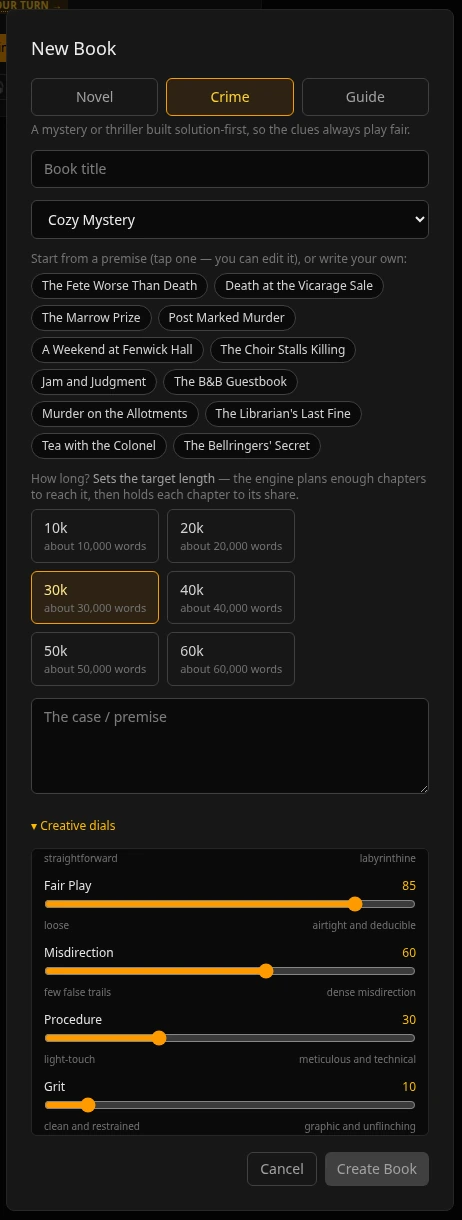
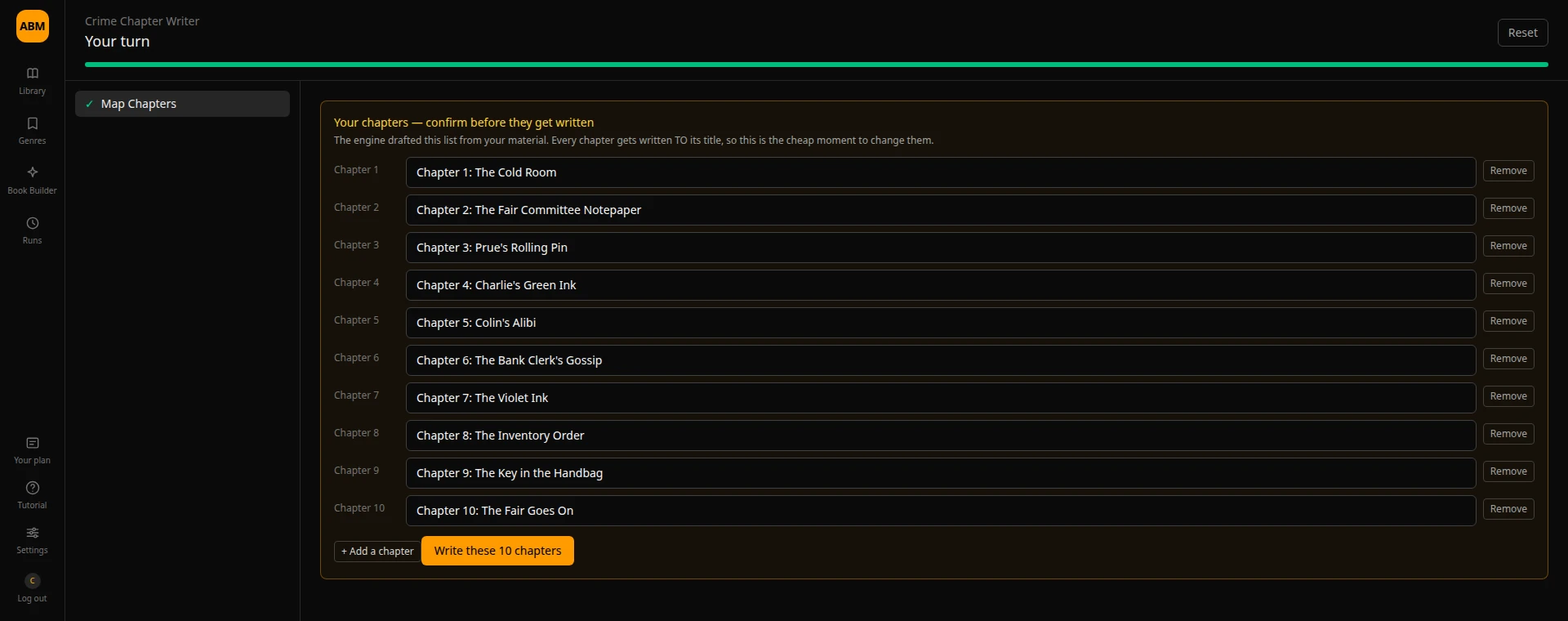
This is the part most “AI writing” pitches can't show you. We can.
We pointed the engine at a cozy-mystery premise — a village autumn flower show, a prize-marrow winner everyone rather disliked, and a retired schoolteacher-turned-librarian who notices things. Here's how the sample it wrote opens:
The marrow was, by any reasonable standard, magnificent. It rested on a bed of purple velvet in the centre of the trestle table like a sleeping infant, its skin the pale, waxy green of a winter sea.
Prudence Hartwell — Pru to everyone in Mabley Cove, and she meant everyone — observed this from her post by the entrance, beside a hand-lettered sign reading “Bookmark for a Donation.” The donation tin had this morning yielded seventeen pence and a button.
The air smelled of chrysanthemums and floor polish and someone's blackberry jam. Bunting swagged from the rafters in russet and gold. It was, in short, the sort of morning that Mabley Cove did rather well. Orderly. Pleasant. The kind of morning where nothing much happened, and everyone was rather glad of it.
That's the voice cozy readers show up for — warm, wry, a whole village in three paragraphs. It reads like a real cozy, not AI mush.
And underneath the charm, the puzzle is being laid fair. Five chapters in, the clues are already on the page: a plain white teacup beside the body, when everyone in Mabley Cove knew the victim drank only from his own rose-patterned cup — an alibi that hangs on one tight hour and three respectable witnesses — suspects with means, motive, and opportunity, all planted in the open. That’s how a fair-play cozy earns its reveal: nothing hidden from the reader, ever.
And the fair-play check behind it is not a promise — it is the pass the engine ran on Calder Bay, its full 82,578-word (~300-page) whodunit, written end to end: zero fair-play violations, a clue planted in chapter 2 paying off in chapter 12. That’s the fair-play bar your cozy inherits.